Why We Are Preserving Traditional Welsh Blanket Patterns
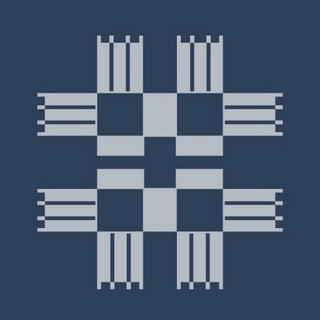
Wales has a remarkable textile history. For generations, wool, weaving and local mills were part of everyday life and local economies. Yet many of the patterns and stories associated with that history are becoming harder to find.
A family connection to weaving
Dinefwr Blankets is a family-run Welsh textile house with family connections to the Welsh woollen industry. Our interest in the patterns is therefore personal as well as commercial.
Patterns can disappear even when the cloth survives
An old blanket can survive in a cupboard or collection, but the knowledge of its pattern name, construction or origin can be lost. Once that information disappears, recreating the design becomes much harder.
That is why we are interested in researching historic blankets, identifying distinctive patterns and bringing them back into use.
Preservation for today
We create contemporary colourways from historic and traditional pattern references. The intention is not to turn Welsh textile history into something frozen in the past. It is to make the patterns relevant to modern homes, clothing and everyday life.
Our future
We have purchased four vintage Dobcross looms with the long-term ambition of bringing weaving back to Wales. Until that becomes possible, we work with skilled British craftspeople who understand the importance of good cloth and traditional methods.
Every blanket we make is part of a bigger aim: to keep traditional Welsh blanket patterns visible, understood and used by another generation.
Comments